2026 Office Lunch Catering: Innovative Ideas For Your Team
Modern workplace lunches work best when employees have more choice, dietary flexibility, and access to varied restaurant options. Recurring meal programs can also make ordering and administration easier for busy office teams.
Quick Summary
Modern workplace lunches work best when employees have more choice, dietary flexibility, and access to varied restaurant options. Recurring meal programs can also make ordering and administration easier for busy office teams. Hybrid work schedules, themed lunches, and flexible meal formats can keep workplace dining more engaging. A well-organized lunch program can support team connection while keeping the overall process simple.
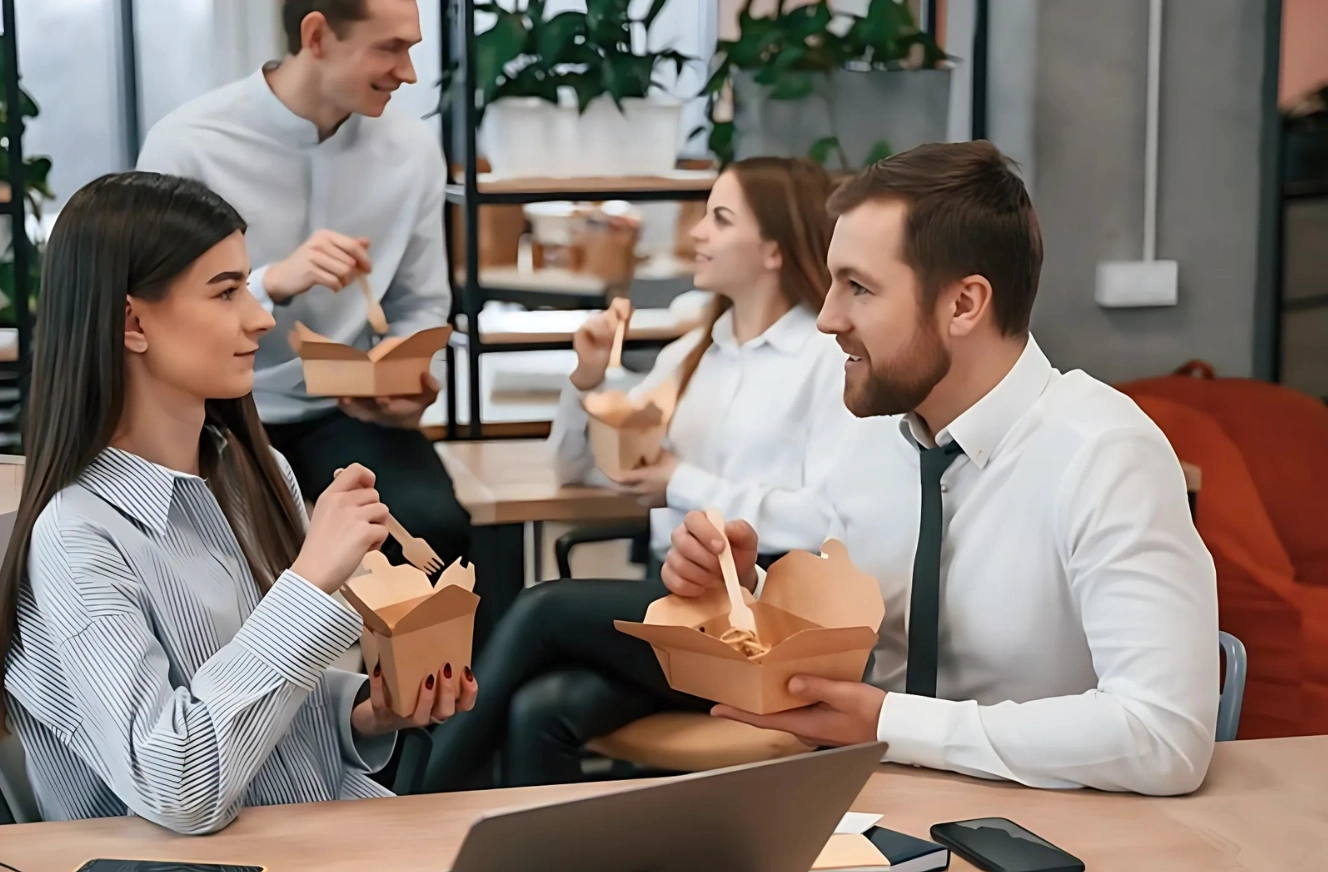
Workplace lunch has become much more than a quick mealbetween meetings. In 2026, office lunch catering can play a bigger role increating an enjoyable workday, bringing colleagues together, and giving teamssomething to look forward to. Employees also have different tastes, schedules,and dietary preferences, which makes a single standard menu less appealing. Amore flexible approach gives people greater control over what they eat whilehelping employers keep workplace meals simple to manage.
Give Employees More Control Over Their Meals
One ofthe strongest ideas for a modern lunch program is moving away from a singlemeal choice for the whole office. A team might include someone looking for ahearty rice bowl, another person who prefers a salad, and someone else whoneeds a vegan or gluten free option. Giving employees more control makes lunchfeel personal instead of routine. It can also reduce the time officeadministrators spend collecting individual requests before every order.
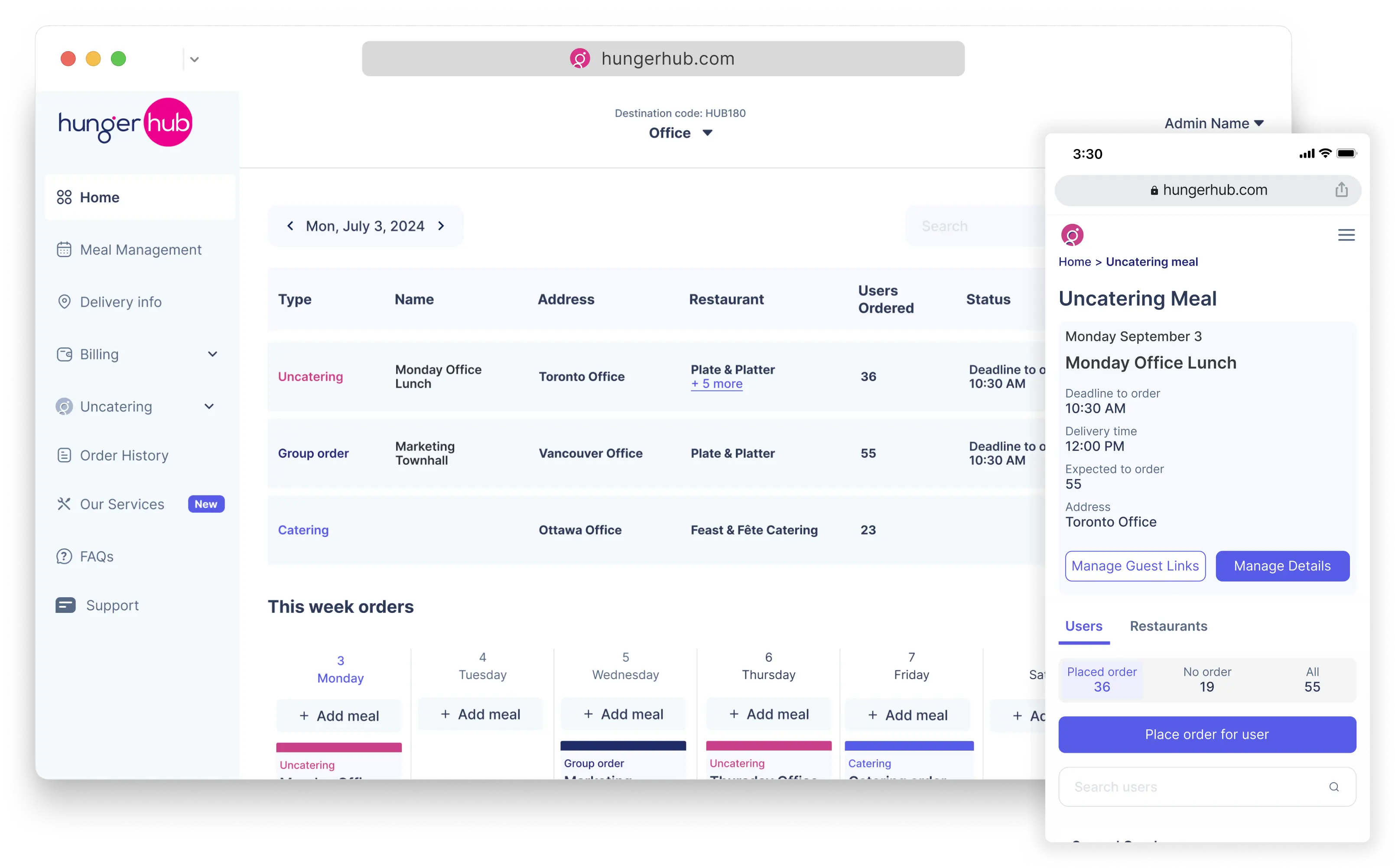
Individualordering platforms make this approach much easier for larger teams. Employeescan use personal accounts to select meals, customize available options, andsave dietary preferences without sending a long chain of messages to the personcoordinating lunch. HungerHub’s Uncatering™office meal program followsthis model by letting team members order individually while meals still arrivetogether. This creates the shared experience of a team lunch without requiringeveryone to eat the same thing.
Rotate Restaurants to Keep Lunch Interesting
Eatingfrom the same restaurant every week can make even a popular workplace perk feelpredictable. A rotating restaurant schedule keeps the experience fresh andgives employees a chance to explore different cuisines throughout the month.One week could feature Mediterranean dishes, while the next might includesushi, Mexican food, sandwiches, or Asian inspired bowls. Variety also makes iteasier to serve a team with different food preferences.
Restaurantrotation works especially well for recurring lunch programs. Instead ofsearching for a new vendor every few days, employers can use a broaderrestaurant network and change the menu regularly within one system. Thiscreates more choice without adding more administrative work. It also giveslocal restaurants access to recurring workplace orders while employees get awider selection of meals.
Make Dietary Flexibility Part of the Experience
Dietaryneeds should feel like a normal part of ordering rather than a special requestthat employees have to explain every time. Modern workplace meals can includevegetarian, vegan, gluten free, dairy free, and other suitable selectionsalongside standard menu choices. Meal customization can go further by allowingpeople to adjust proteins, toppings, sauces, sides, or ingredients when thoseoptions are available. This makes the lunch program more useful across adiverse team.
Apersonalized system can also make repeat ordering smoother. Employees who cansave their food preferences spend less time checking menus and communicatingrestrictions each week. Office coordinators benefit as well since they do nothave to manually match each person with an appropriate meal. The result is alunch process that feels more natural for everyone involved.
Match the Lunch Format to the Occasion
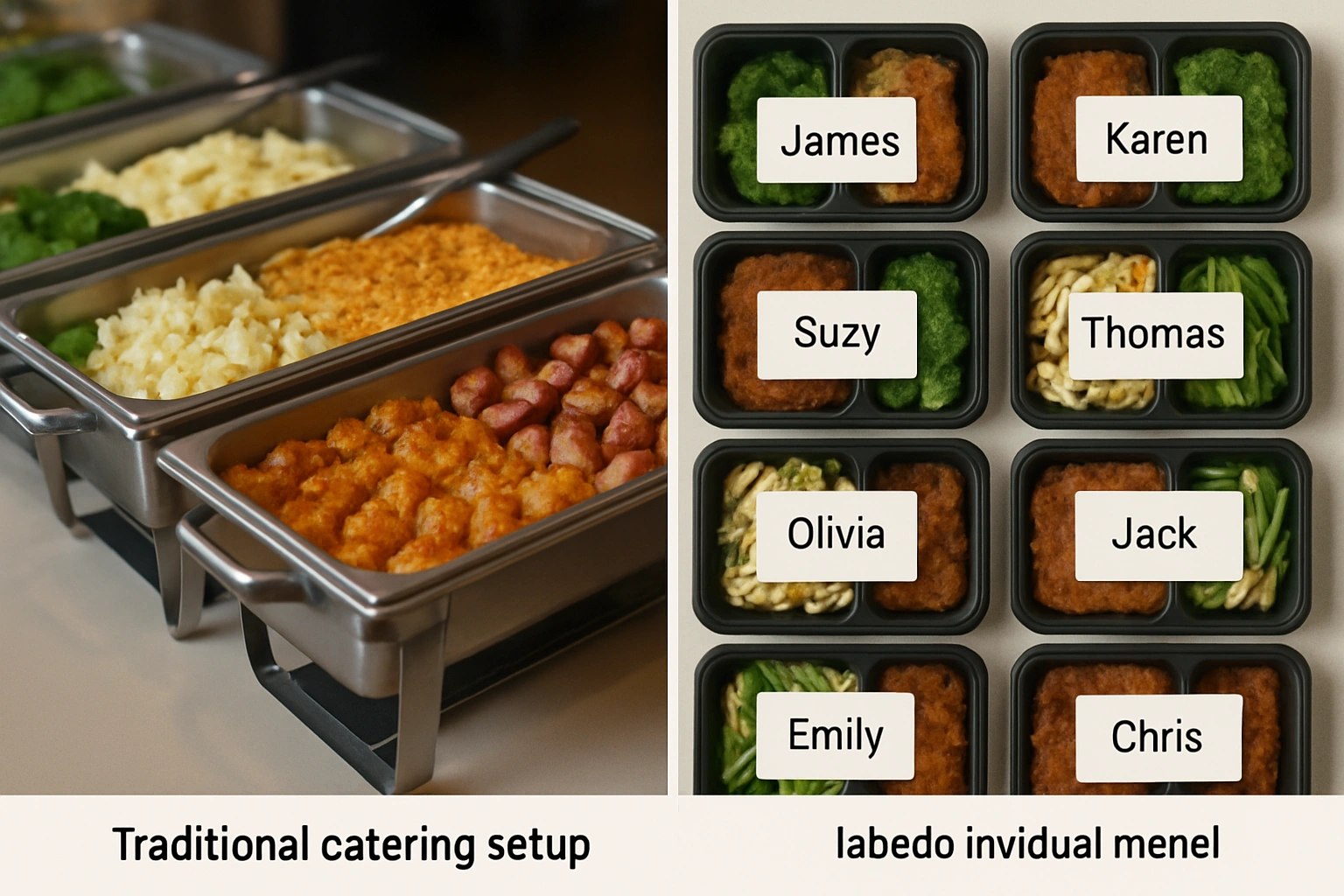
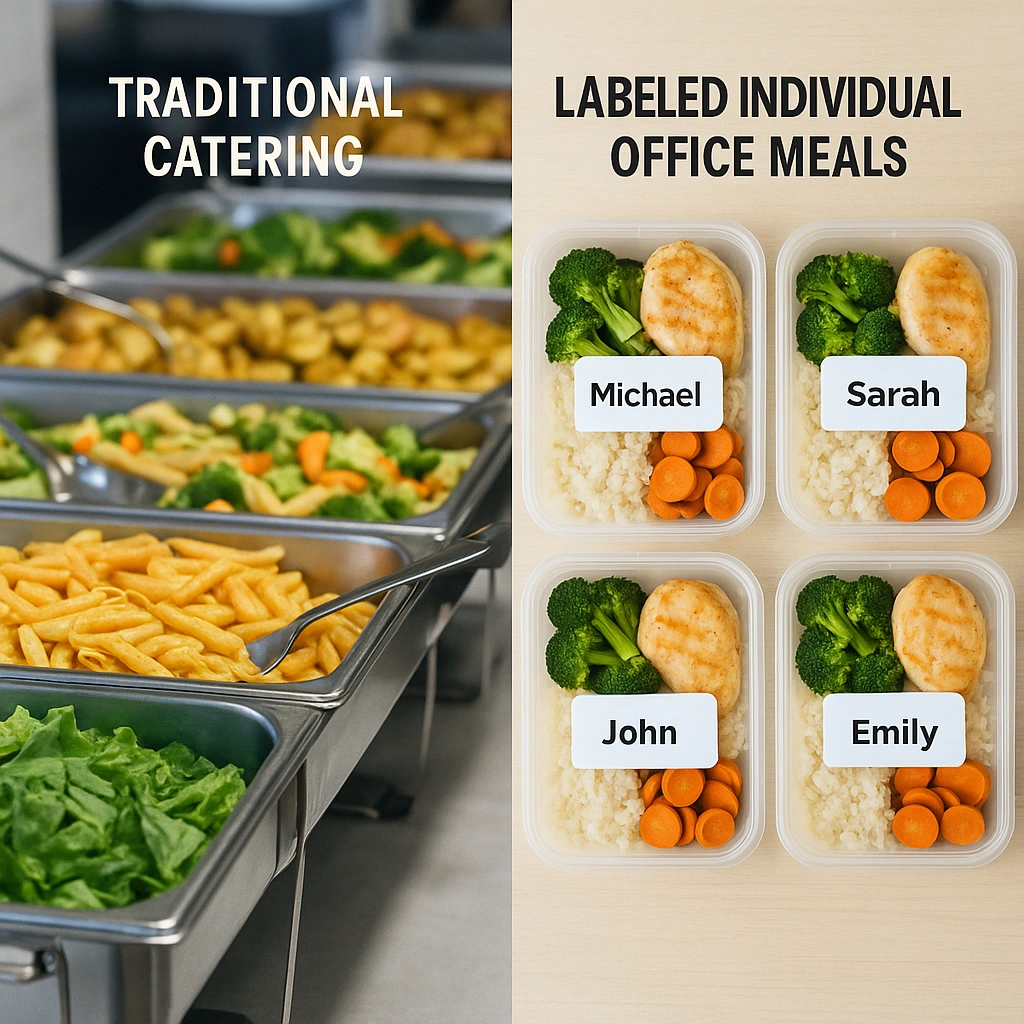
Notevery workplace meal needs the same setup. Individually packaged lunches canwork well for regular office days, while shared trays may fit teamcelebrations, workshops, or larger meetings. Bigger gatherings may call formore planning around headcount, cuisine, serving style, budget, and deliverytiming. Choosing the format around the occasion helps the food feel connectedto the purpose of the gathering.
Forlarger workplace events, a managed approach can reduce the amount ofcoordination placed on internal teams. HungerHub’s Managed Catering & Events service brings restaurant choices and event planningsupport into a more organized process. This can be useful when an eventinvolves several meal requirements or a larger group. It also lets organizersspend more time focusing on the event itself rather than managing several foodvendors.
Use Lunch to Support Hybrid Workdays
Hybridwork has changed how teams think about the office. When employees choose whichdays to come in, a well-planned lunch program can add another reason to spendtime together. Shared meals can create natural opportunities for conversationthat do not always happen during scheduled meetings. They can also make busyoffice days feel more social without forcing extra activities into thecalendar.
Companiescan make this more effective by matching meal schedules to their busiestin-office days. A recurring Tuesday or Thursday lunch, for example, givesemployees something consistent to expect. Teams can also adjust meal frequencyaround project cycles, seasonal workloads, or company events. This flexibilityhelps employers build food programs around how their people work.
Make Ordering Easier for Office Administrators
A goodmeal program should also reduce the amount of work happening behind the scenes.Office managers often have to collect orders, check dietary requests, contactrestaurants, coordinate delivery times, and process several invoices. That canbecome difficult when lunches happen multiple times each week. A centralizedsystem can bring those tasks into one place.
Employerscan set meal schedules and budgets in advance, while employees handle their ownselections. Consolidated billing can also simplify expense tracking acrossrecurring orders. When delivery details and meal labels are handled through thesame platform, distribution becomes easier once the food arrives. This turnslunch coordination into a repeatable process rather than a new administrativeproject every week.
Add Themed Lunches Without Making Them Complicated
Themescan bring some personality into a recurring meal schedule. A team could plan aMediterranean lunch one week, a comfort food day the next, and a selection oflighter bowls later in the month. Seasonal menus can also work well aroundcompany celebrations, project milestones, or cultural events. The goal is tocreate variety without making employees feel limited to one preset dish.
Thisapproach becomes even more useful when several restaurants are availablethrough the same ordering system. Employees can still select meals that fittheir preferences while the broader lunch theme gives the day a sharedidentity. It creates a small sense of occasion without requiring a major event.For employers, it is also an easy way to keep recurring meals from feelingrepetitive.
Think Beyond Food Alone
Thestrongest workplace meal programs are designed around the full employeeexperience. Timing, menu variety, dietary flexibility, ordering convenience,and smooth distribution all shape how people feel about lunch at work. Even agreat meal can become frustrating if employees have to wait too long, searchthrough confusing options, or sort through unlabeled orders. A better systemconsiders every step from ordering to delivery.
That iswhere modern office lunch catering can make a meaningful difference. Instead oftreating lunch as a one-time transaction, companies can build a program thatfits their team size, schedule, and workplace culture. A consistent structurealso makes it easier to adjust menus, budgets, and ordering patterns over time.This gives employers more flexibility as teams grow or workplace routineschange.
How HungerHub Can Help Your Team
AtHungerHub, we make workplace meals easier by bringing individual ordering,restaurant variety, scheduling, delivery management, and employer billing intoone platform. Employees can choose meals through personal logins, whilecompanies can manage recurring programs without collecting every ordermanually. We also work with hundreds of restaurant partners across Canadianmarkets, giving teams more variety throughout the week.
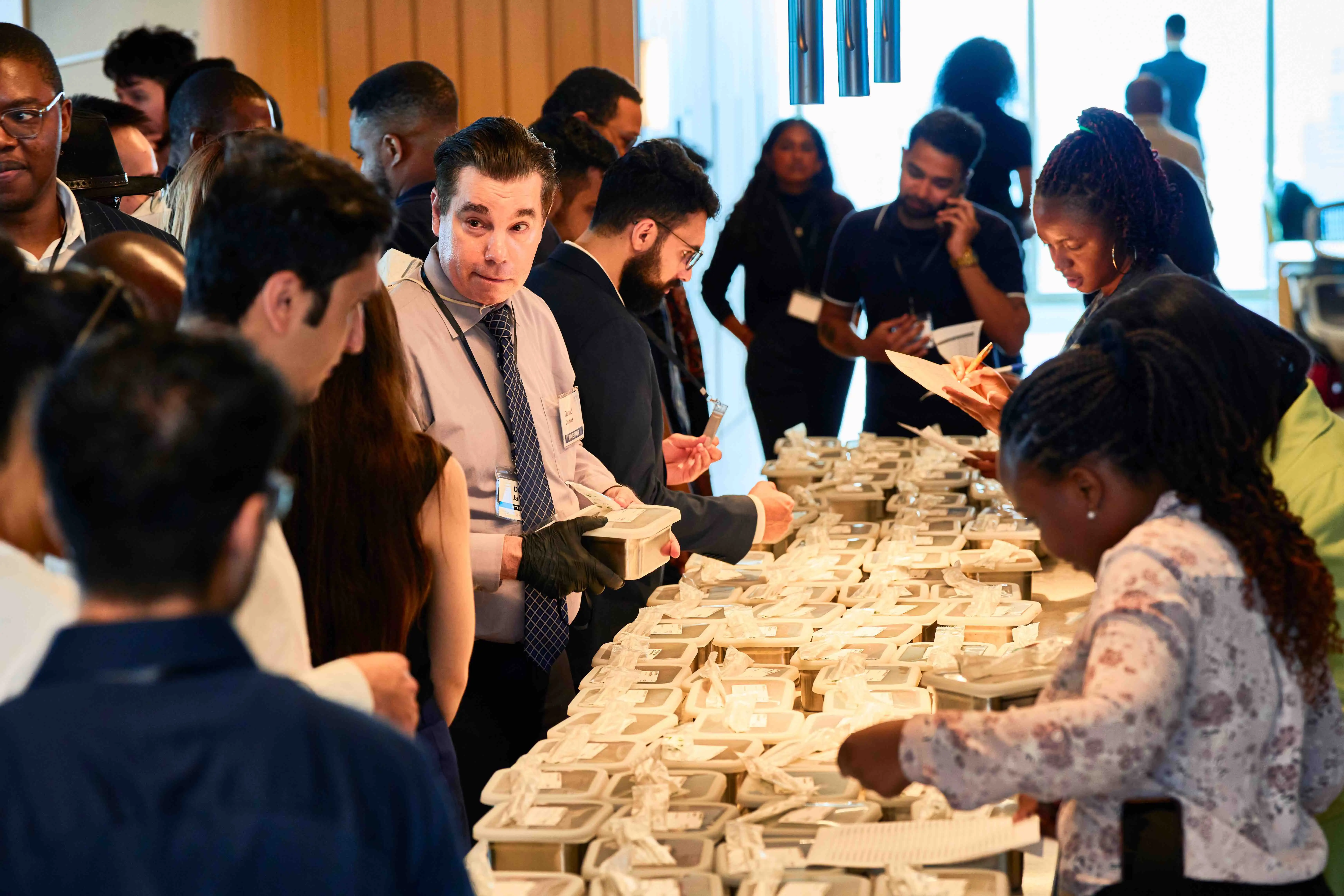
Ourapproach is designed for companies that want workplace meals to feel flexiblewithout adding more coordination for internal teams. Individually labeled mealshelp simplify distribution, while dietary preferences and customized selectionsmake ordering more personal. At HungerHub, we can also support larger eventsand more complex food programs when your workplace needs something beyond aregular lunch schedule.
Make Workplace Lunch Better in 2026
The bestworkplace lunch ideas for 2026 focus on choice, convenience, variety, and asmoother experience for both employees and administrators. A flexible programcan turn everyday meals into a workplace benefit that supports connection whilestill fitting different tastes and schedules.
Ready tocreate a lunch program your team can look forward to? Talk to HungerHub aboutbuilding a workplace meal plan that fits your team.
FAQs
Whatmakes a good workplace lunch program?
A goodprogram combines menu variety, flexible ordering, dietary options, reliabledelivery, and simple administration.
Howoften should companies schedule team lunches?
The bestfrequency depends on office attendance, team size, budget, and how oftenemployees work together in person.
Why isrestaurant variety important for recurring lunches?
Rotatingrestaurants keeps meals interesting and gives employees more opportunities tochoose food that matches their tastes and preferences.




.svg)












.webp)