How To Choose The Right Sushi Catering Service In Toronto
Toronto has no shortage of Japanese restaurants, but choosing the right option for an office lunch takes more than finding a menu that looks good.
Quick Summary
Choosing the right sushi catering service starts with matching the menu and serving style to the type of event or office meal. Menu variety, dietary options, customization, and dependable delivery all influence the overall experience. A simple ordering process can also make larger group meals easier to organize. For recurring lunches, flexible menus and consistent scheduling help keep meals convenient and enjoyable.
Toronto has no shortage of Japanese restaurants, but choosing the right option for an office lunch takes more than finding a menu that looks good. A strong sushi catering service should make ordering simple, offer enough variety for different preferences, and deliver meals in a format that suits your team. The right choice can make a client meeting feel polished or turn a regular lunch into something employees look forward to. Before placing an order, compare a few practical details that can shape the entire experience.
Start With the Type of Office Meal You Are Planning
Think first about the occasion and how people will eat. A small client meeting may work well with neatly arranged platters, while a larger team lunch can be easier with individually packed meals. Recurring lunches may need another setup, especially when employees want to choose their own dishes from week to week. Group size, timing, budget, and serving style can quickly narrow down the formats that make sense.
Companies that order regularly can also benefit from a platform built around Toronto workplace catering. It allows teams to explore different restaurants without rebuilding the ordering process every time. That flexibility is helpful when one lunch calls for individual meals and another works better with shared trays.
Look for Enough Menu Variety
A good Japanese menu should go beyond a few standard rolls. Teams may include people who prefer sashimi, maki, poke bowls, bento boxes, cooked dishes, or vegetarian choices. A broader selection gives more employees something they will enjoy and keeps recurring lunches from feeling repetitive.
Menu depth is especially useful in larger workplaces where tastes can differ widely. Some people may want a lighter meal, while others prefer rice bowls or cooked Japanese dishes. Choosing a caterer with flexible options makes group ordering smoother without forcing everyone into the same selection.
Check Dietary and Customization Options
Dietary information should be easy to review before orders are placed. Look for menus that clearly identify vegetarian, vegan, gluten-conscious, and other suitable choices, along with ingredients that may need extra attention. Clear descriptions help employees choose confidently and reduce extra questions for the person coordinating lunch.
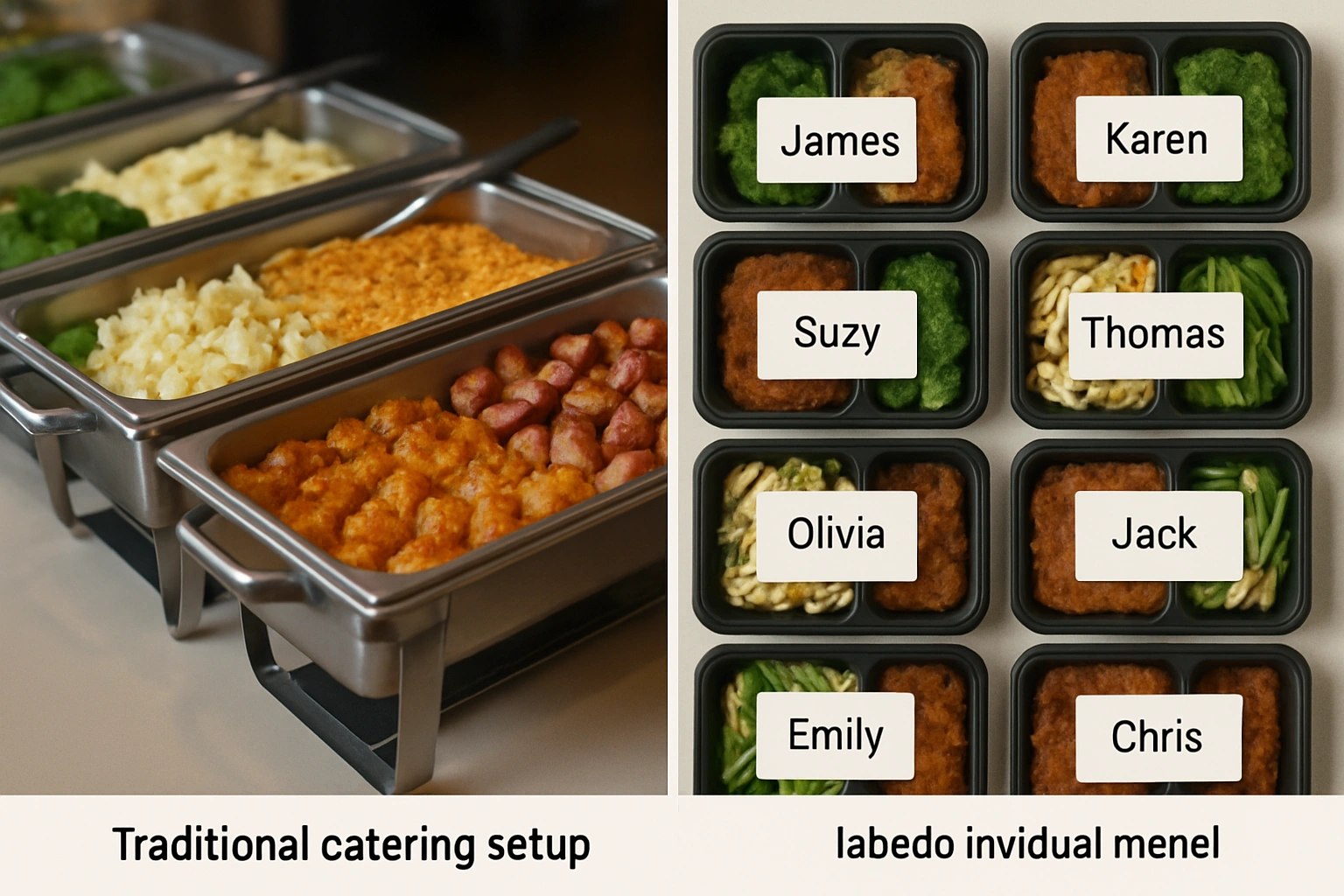
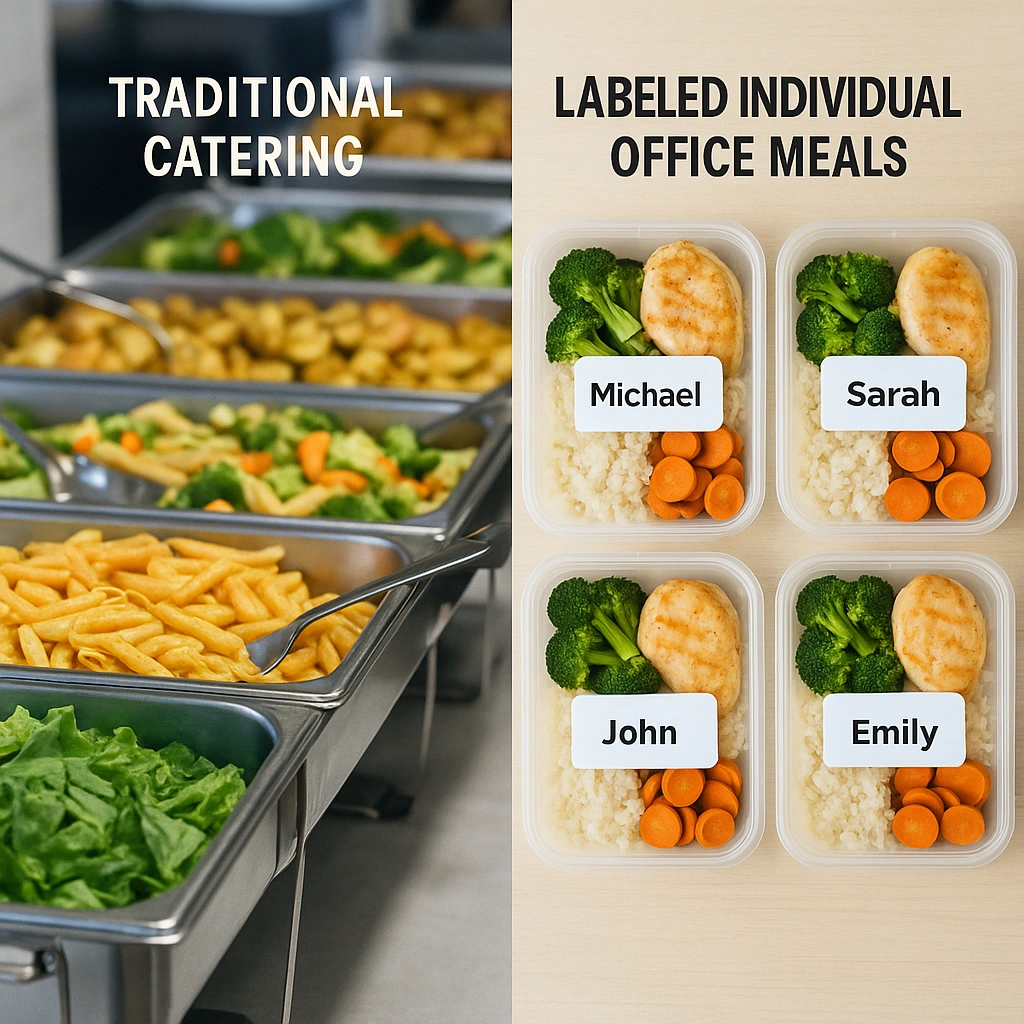
Customization is also valuable for individual orders. Employees may want to remove ingredients, select different proteins, or choose sauces separately. For larger occasions, managed catering can help organize cuisine preferences, serving formats, and dietary requests through one point of contact.
Pay Attention to Delivery Timing
Sushi is best served fresh, so delivery timing deserves careful attention when comparing catering options. Office lunches often follow fixed schedules around meetings, presentations, or employee breaks. A late arrival can disrupt the entire plan, especially when dozens of people are waiting to eat. Look for a service with clear delivery windows, dependable logistics, and an ordering process that makes the expected arrival time easy to understand.
Location also plays a role in delivery reliability. Toronto traffic can change quickly throughout the day, so working with a catering service familiar with local routes can make a noticeable difference. For recurring office lunches, consistent timing becomes even more valuable since teams expect meals to arrive around the same time each week.
Consider How Easy Ordering Will Be
The quality of the food matters, but the ordering experience can have just as much impact on the person organizing lunch. A complicated process can turn a simple meal into a long administrative task. Look for clear menus, straightforward scheduling, centralized payment options, and an easy way to manage changes before the ordering deadline.
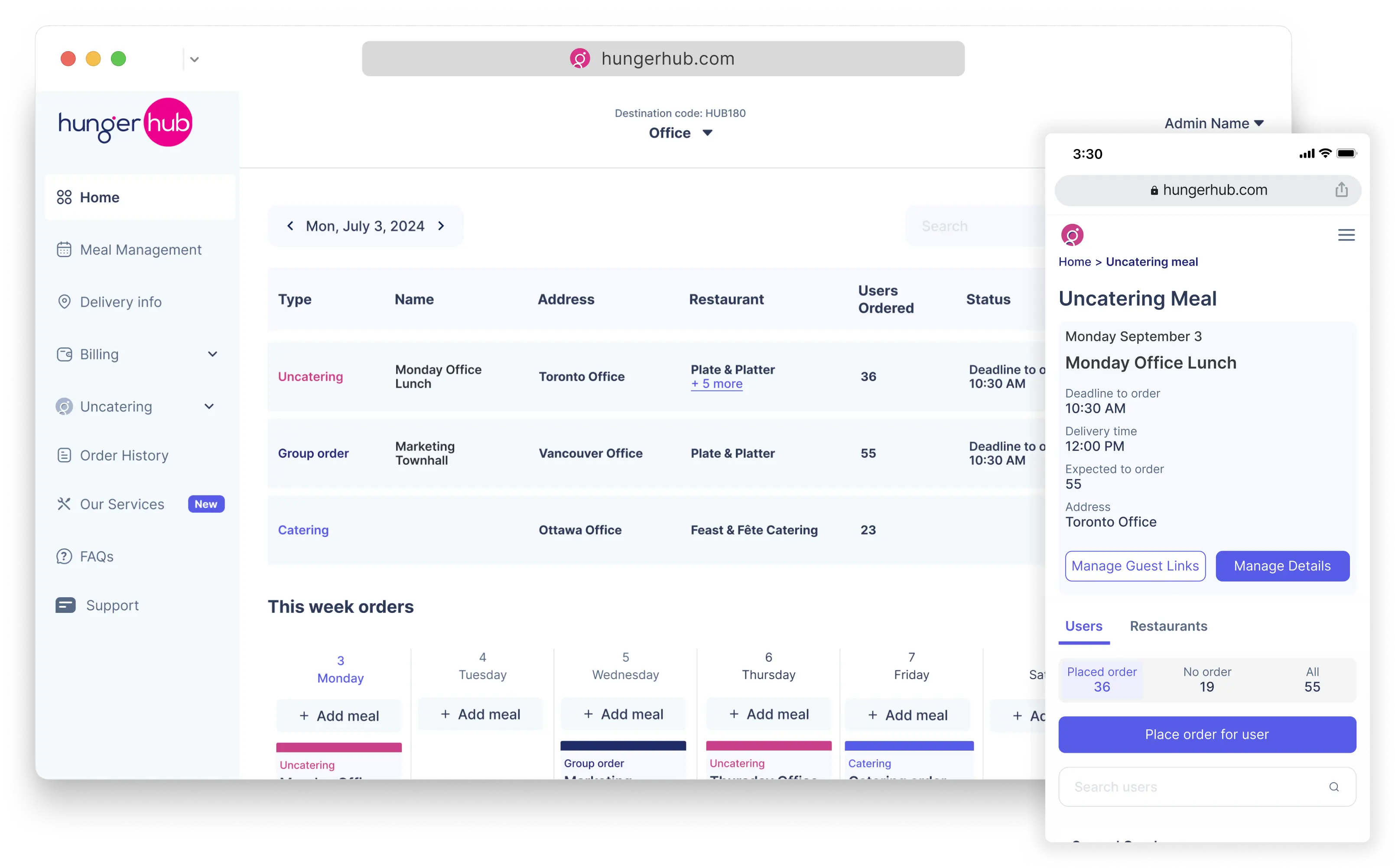
Individual ordering can be especially useful for larger teams. Instead of one person collecting meal choices through messages or spreadsheets, employees can select their own dishes within a company-approved budget. This approach gives people more control over what they eat while reducing the amount of coordination required from office managers or HR teams.
Think Beyond a Single Lunch
If your company orders food often, consider how well the service can support a recurring program. Variety becomes more important over time since employees may lose interest if the same menu appears every week. Access to several restaurant partners also makes it easier to rotate cuisines while keeping the ordering process familiar.
Recurring programs can also simplify budgeting and billing. Employers can set meal allowances, create schedules, and keep charges organized in one place. For teams that regularly order sushi catering alongside other cuisines, this type of structure can make workplace meals much easier to manage over the long term.
Make Workplace Meals Easier With HungerHub
At HungerHub, we help companies take much of the coordination out of office food programs. Our platform connects workplaces with hundreds of local restaurant partners while giving employees the freedom to select meals that match their tastes and dietary preferences. Individual logins, scheduled programs, labeled meals, and consolidated billing help keep the process organized from ordering through delivery.
We can support recurring office lunches, occasional team meals, and larger catered events through flexible formats built around each workplace. Instead of managing several restaurants, payment methods, and employee requests separately, teams can bring those tasks into one streamlined system. That makes it easier to focus on the meeting, event, or workday itself rather than the logistics behind lunch.
Ready to simplify your next Toronto office meal? Contact us today to explore a catering program that fits your team.
FAQs
What should I look for in a sushi catering menu?
Look for a mix of rolls, sashimi, bowls, cooked dishes, vegetarian choices, and customizable options.
How far in advance should sushi catering be ordered?
Ordering at least a few days ahead is usually helpful, especially for larger groups or meals scheduled during busy periods.
Are sushi platters or individual meals better for group catering?
Platters work well for shared meals, while individual packages are often more convenient when guests have different preferences or dietary needs.




.svg)












.webp)