Office Breakfast Vs. Lunch: Which Boosts Team Engagement More?
Food has a great way of bringing people together at work. A shared meal can break the ice between departments, reward a busy week, or give staff a reason to come into the office.
Quick Summary
Breakfast and lunch each lift team engagement in different ways. Breakfast brings early energy, encourages on time arrivals, and gives morning meetings a lively start. Lunch offers a longer window for deeper conversations, celebrations, and cross team bonding. Matching the meal to your schedule and goals, or blending both across the week, tends to draw the warmest response from staff.
Food has a great way of bringing people together at work. A shared meal can break the ice between departments, reward a busy week, or give staff a reason to come into the office. So, office breakfast vs. lunch, which engages more?
This comes up often among HR leads and office managers planning a meal program. Both meals bring their own strengths, and the better choice depends on your team's rhythm, goals, and schedule.
Office Breakfast Vs. Lunch: Which Engages More Across the Workday
Engagement at work often comes down to energy and connection. A meal served at the ideal moment can lift both. Breakfast catches people at the start of the day, when minds feel fresh and calendars are still open. Lunch arrives at the natural midpoint, when teams need a pause and a recharge.
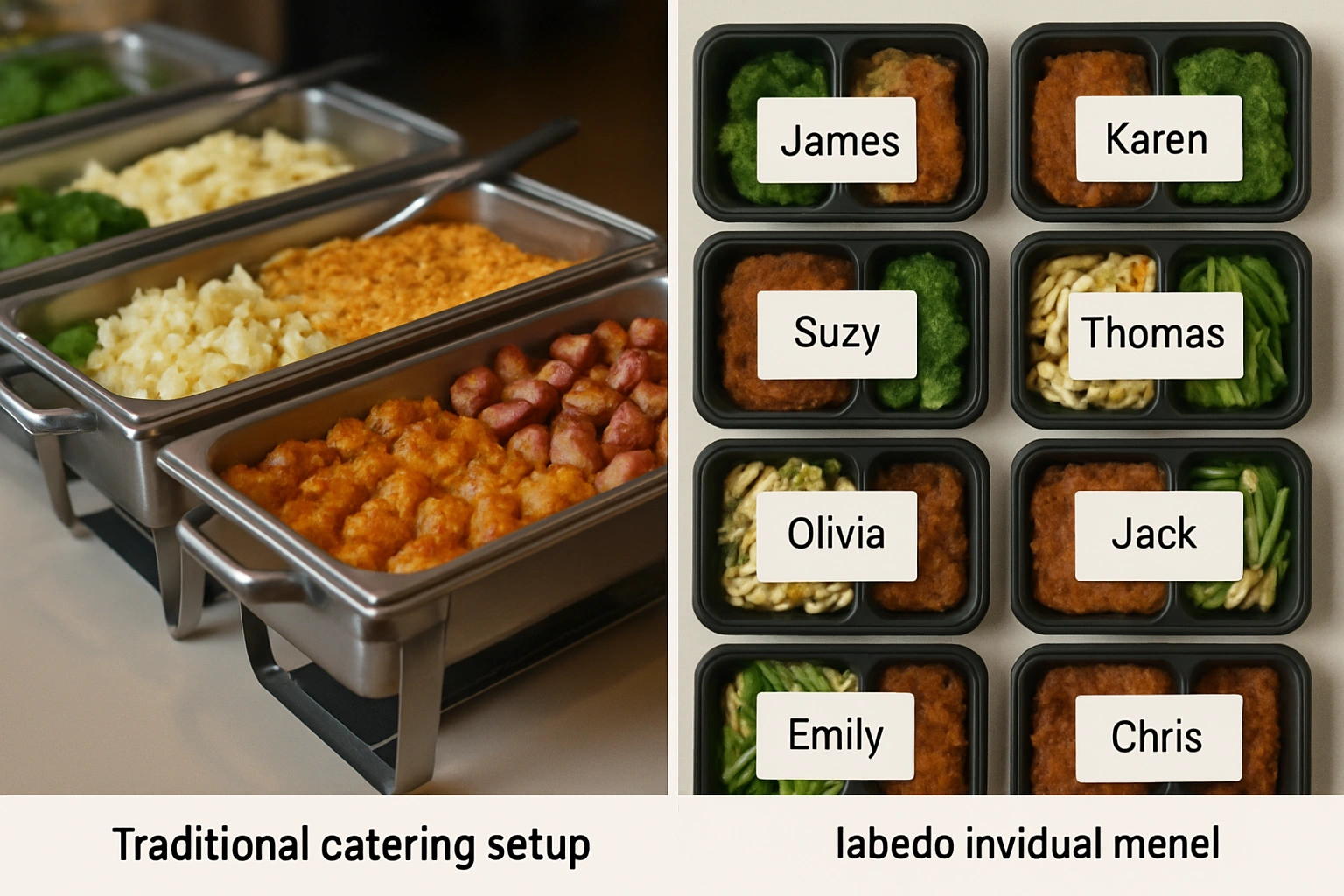
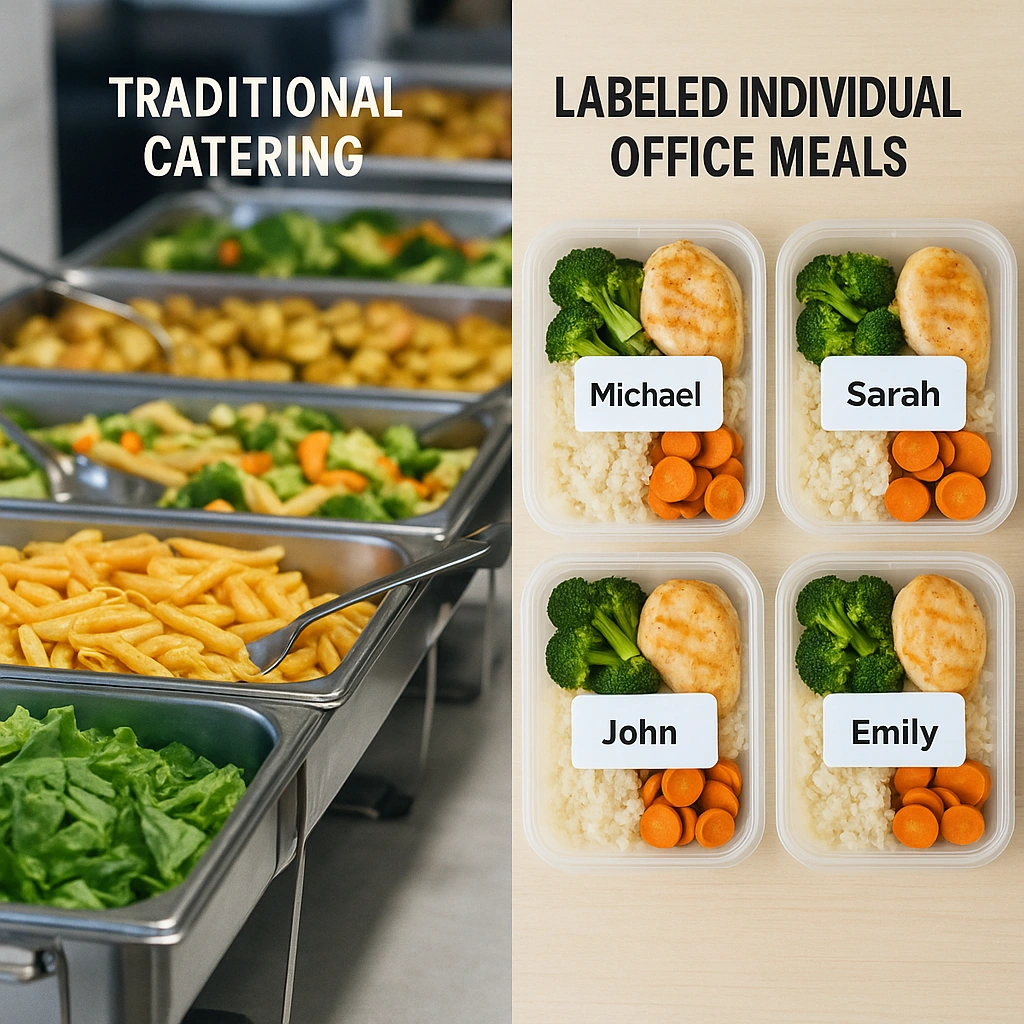
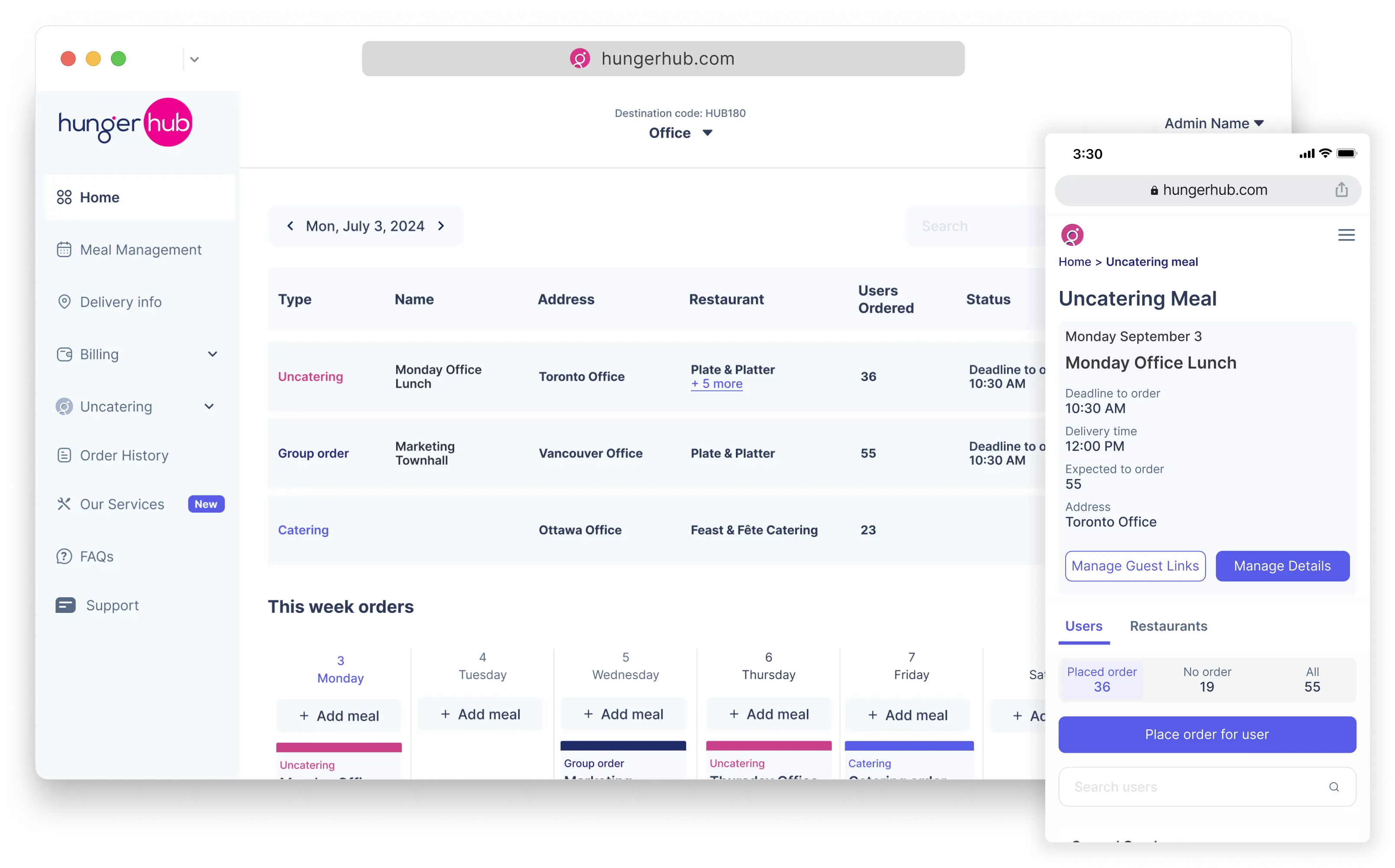
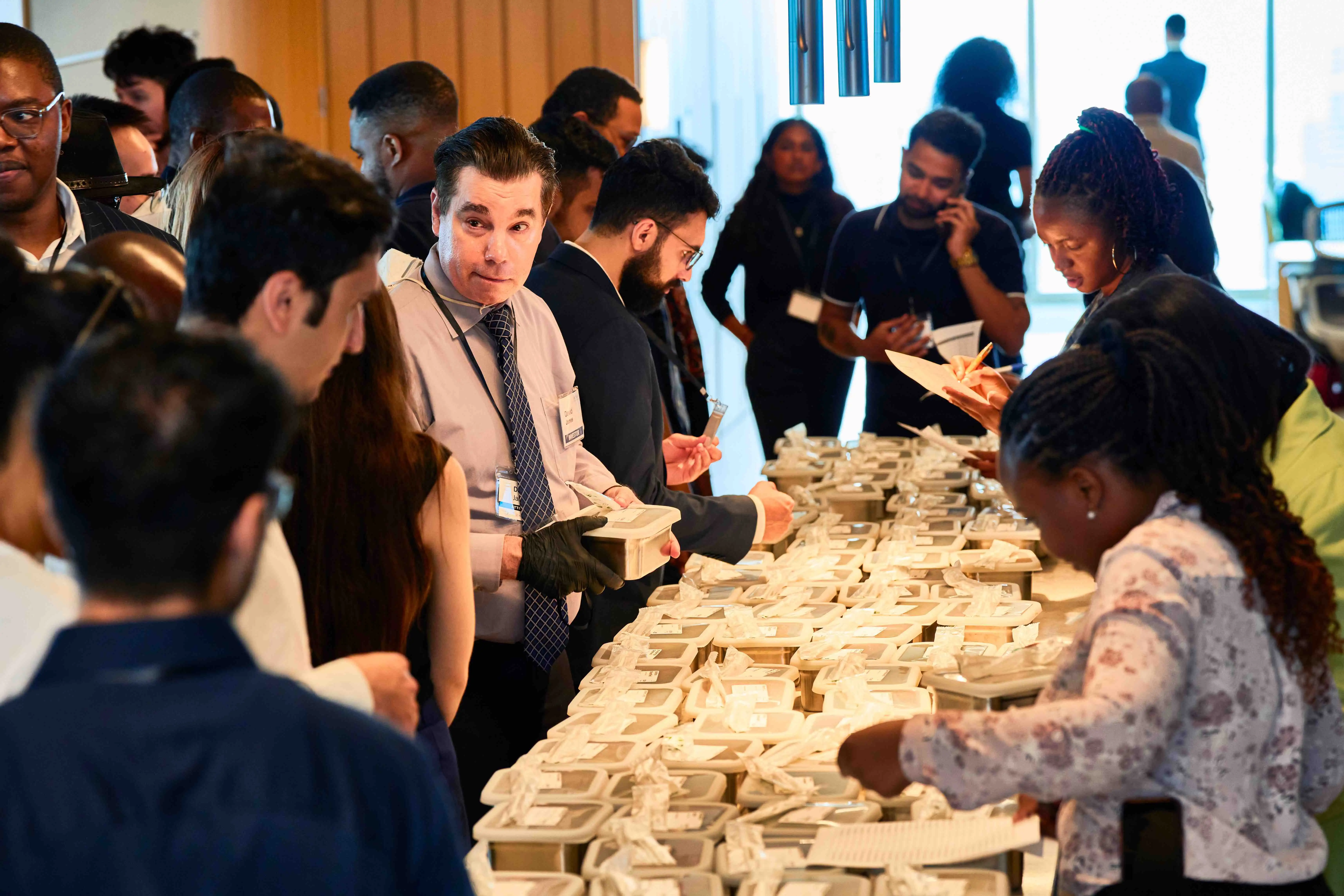
At Hungerhub Inc., we work with offices that serve breakfast, lunch, or a mix of both. The pattern we notice is simple. The meal that fits a team's daily routine usually draws the best turnout and the warmest response. Offices with steady lunch habits often lean on an Uncatering™ office meal plan, where employees order individual meals and receive them labeled with their names.
How Breakfast Sparks Morning Engagement
A morning meal sets the tone before the inbox takes over. It works especially well for teams that need focus and momentum early in the day. Breakfast brings a few clear advantages:
- Early arrivals: A morning spread gives hybrid staff a reason to come in on time and settle in.
- Meeting momentum: Food before a kickoff or training warms up the room and gets ideas flowing.
- Casual connection: Coffee and pastries invite quick, low-pressure chats across teams.
- Friendly budget: Breakfast menus often come in at a lower price point than a full lunch.
Breakfast suits events with a clear start time, and weekly standups, onboarding sessions, and quarterly planning days are natural fits.
Why Lunch Creates Deeper Team Connection
Lunch offers more time at the table. Teams can linger, talk through ideas, and get to know colleagues outside their usual circle. The longer window makes lunch a natural choice for team socials, celebrations, and cross-department mixers.
A heartier meal also carries people through the afternoon. Staff who eat well at midday often return to their desks refreshed and ready for the second half of the day. Lunch programs with individual ordering add a personal layer, as employees choose meals they enjoy and feel looked after.
Choosing the Meal That Fits Your Team
Start with your team's schedule. Groups that begin early or hold regular morning meetings will likely respond well to breakfast, and teams with packed mornings and flexible afternoons may get more value from a shared lunch.
Your goals matter just as much. A breakfast spread works well to energize a meeting or reward punctual arrivals, and lunch lends itself to relationship building, celebrations, and longer conversations.
A blended approach is also worth considering. Breakfast can anchor key meetings, and lunch can mark the days when the whole team comes in, keeping the food program fresh and giving employees variety across the week.
Where to Order Breakfast for Office Teams
Finding where to buy breakfast for the office starts with a few practical checks. The right provider makes early orders feel effortless:
- Local variety: Look for access to nearby bakeries, cafés, and restaurants with diverse menus.
- Dietary filtering: Confirm the menu labels vegan, gluten-free, and allergy-friendly items.
- Reliable timing: Ask about delivery windows for meetings that start early.
- Simple billing: Consolidated invoices save office managers time at month-end.
Building Engagement at the Office, Morning or Midday
Breakfast and lunch both have a place in a thoughtful workplace food program. Breakfast brings focus and early energy to meetings. Lunch gives teams the time and space to connect more deeply. The best results come from matching the meal to your schedule, your goals, and the way your people like to work.
A thoughtful meal schedule can support connection, engagement, and a more enjoyable workday. Talk to us to create a workplace food program that fits your office.
FAQs
How often should an office offer catered meals?
Once a week is a practical starting point to test interest and build a routine. Offices can then add more days based on attendance, feedback, and budget.
How can we tell if a meal program improves engagement?
Track office attendance on meal days and compare it with regular days. Short pulse surveys asking staff what they enjoy also reveal useful patterns over a few months.
Can afternoon snacks replace a full meal program?
A mid-afternoon snack break can lift energy at a lower cost than a full meal. It works well as an add-on, though it offers less time for the longer conversations that shared meals encourage.
Should catered meals be optional for employees?
Voluntary participation usually works best and respects personal routines. Letting staff opt in or out ahead of time also reduces food waste and keeps orders accurate.